Educational Nutrition Knowledge Hub
Exploring everyday nutrition awareness and balanced food habits in modern lifestyle contexts. Educational content only. No promises of outcomes.
Explore Educational Overview
Exploring everyday nutrition awareness and balanced food habits in modern lifestyle contexts. Educational content only. No promises of outcomes.
Explore Educational Overview
Contemporary food patterns reflect diverse cultural and lifestyle contexts

Modern eating habits vary significantly across different populations and geographic regions. Urban lifestyles often involve diverse food choices influenced by time constraints, cultural traditions, and personal preferences.
Understanding everyday nutrition involves examining how people incorporate various food groups into their daily routines. This knowledge-based exploration focuses on describing common patterns rather than prescribing specific behaviors.
Contemporary men navigate food decisions within complex lifestyle contexts that include work schedules, social activities, and personal interests. These factors collectively shape individual eating patterns in diverse ways.
Basic educational overview of common nutritional components

Proteins are complex molecules found in various food sources including meat, fish, legumes, dairy products, and plant-based alternatives. They consist of amino acids that serve multiple functions in biological systems.
Common protein-containing foods include chicken, eggs, beans, lentils, tofu, and dairy products. Different cultures incorporate these sources in various culinary traditions.
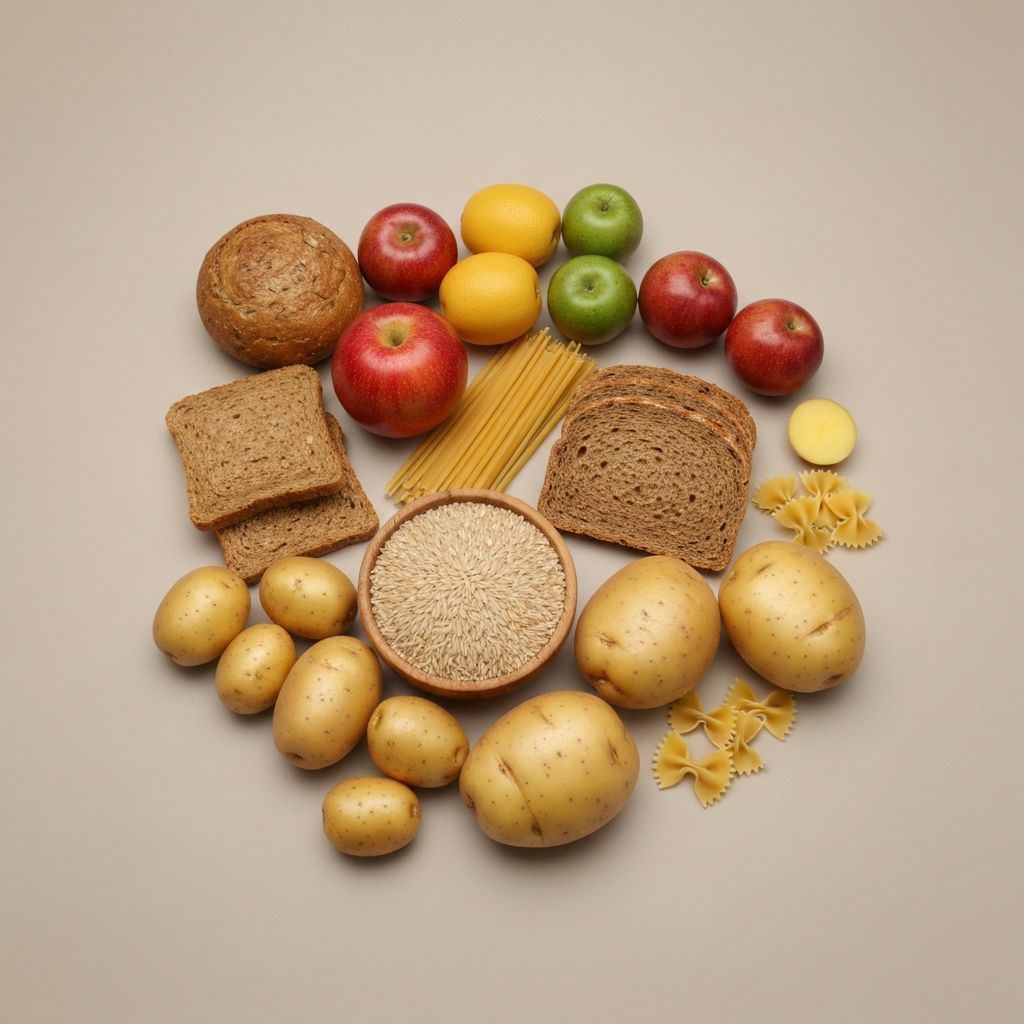
Carbohydrates represent a broad category of compounds found in grains, fruits, vegetables, and other plant-based foods. They exist in various forms including simple sugars and complex starches.
Examples include bread, rice, pasta, potatoes, fruits, and whole grains. These foods feature prominently in traditional cuisines worldwide.

Fats encompass diverse compounds present in oils, nuts, seeds, fish, and animal products. They include saturated, monounsaturated, and polyunsaturated varieties with different chemical structures.
Sources include olive oil, avocados, nuts, seeds, fatty fish, and dairy products. Culinary traditions utilize these ingredients in various preparations.
Examples of how food fits into contemporary schedules
Morning eating patterns vary widely among individuals. Some people consume breakfast immediately upon waking, while others prefer waiting several hours. Common morning foods include cereals, toast, eggs, yogurt, fruits, and beverages.
Work schedules and personal preferences influence timing and food selection during morning hours. No single pattern applies universally across populations.
Midday eating typically occurs around traditional lunch hours, though timing varies considerably. Office workers might eat at desks, cafeterias, or restaurants. Food choices range from prepared meals to sandwiches to diverse international cuisines.
Social and cultural factors shape midday eating contexts differently across regions and workplaces.
Evening meals often represent the day's largest food intake for many people, though this pattern is not universal. Dinner might involve family gatherings, solo dining, or social outings at restaurants.
Preparation methods and food selections reflect personal circumstances, cultural backgrounds, and available time.
Between main meals, some individuals consume snacks while others do not. Snacking patterns depend on hunger signals, schedule flexibility, and personal habits. Common snack items include fruits, nuts, crackers, or other portable foods.
These patterns vary significantly among different populations and individuals.
Educational overview of everyday food items
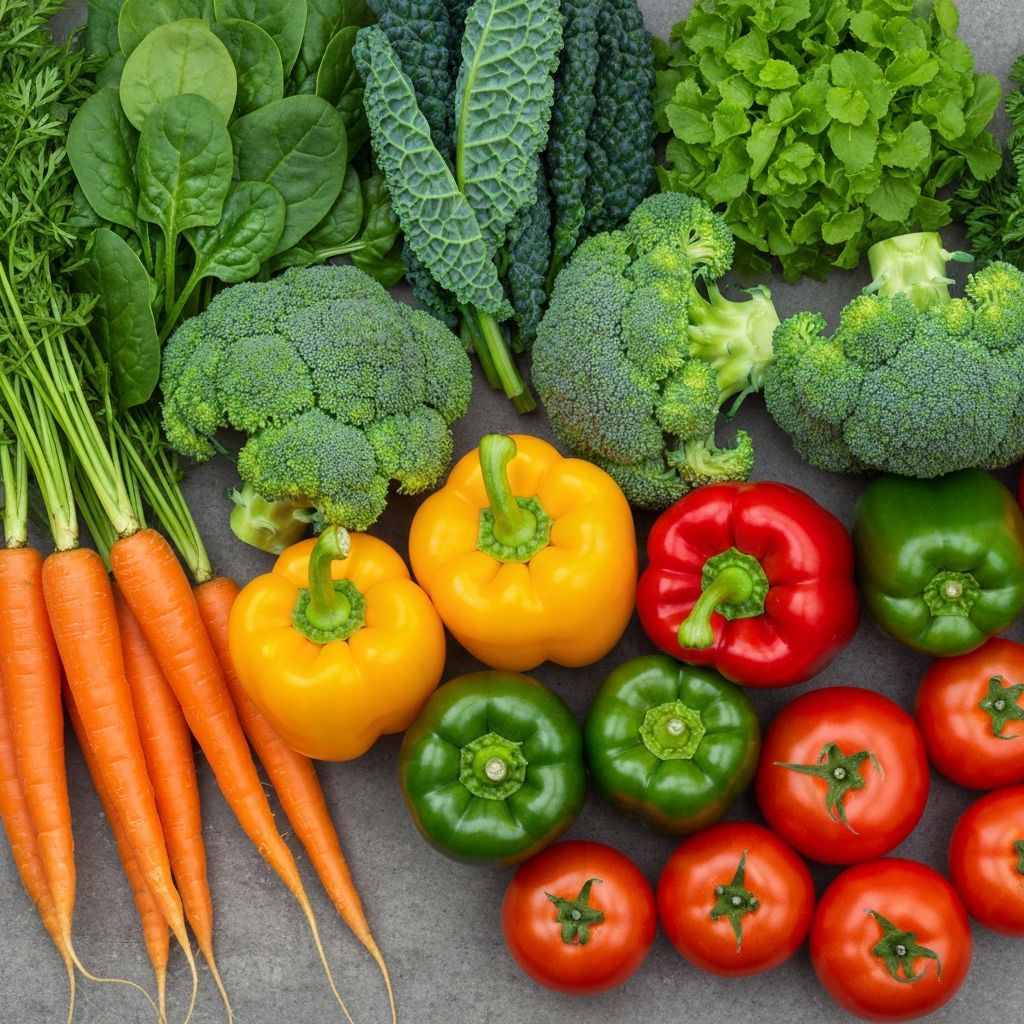
Vegetables encompass a wide variety of plant foods including leafy greens, root vegetables, cruciferous vegetables, and nightshades. Examples include spinach, carrots, broccoli, tomatoes, peppers, and numerous others.
Different cultures incorporate vegetables in diverse culinary preparations including raw, cooked, fermented, and preserved forms.
Read More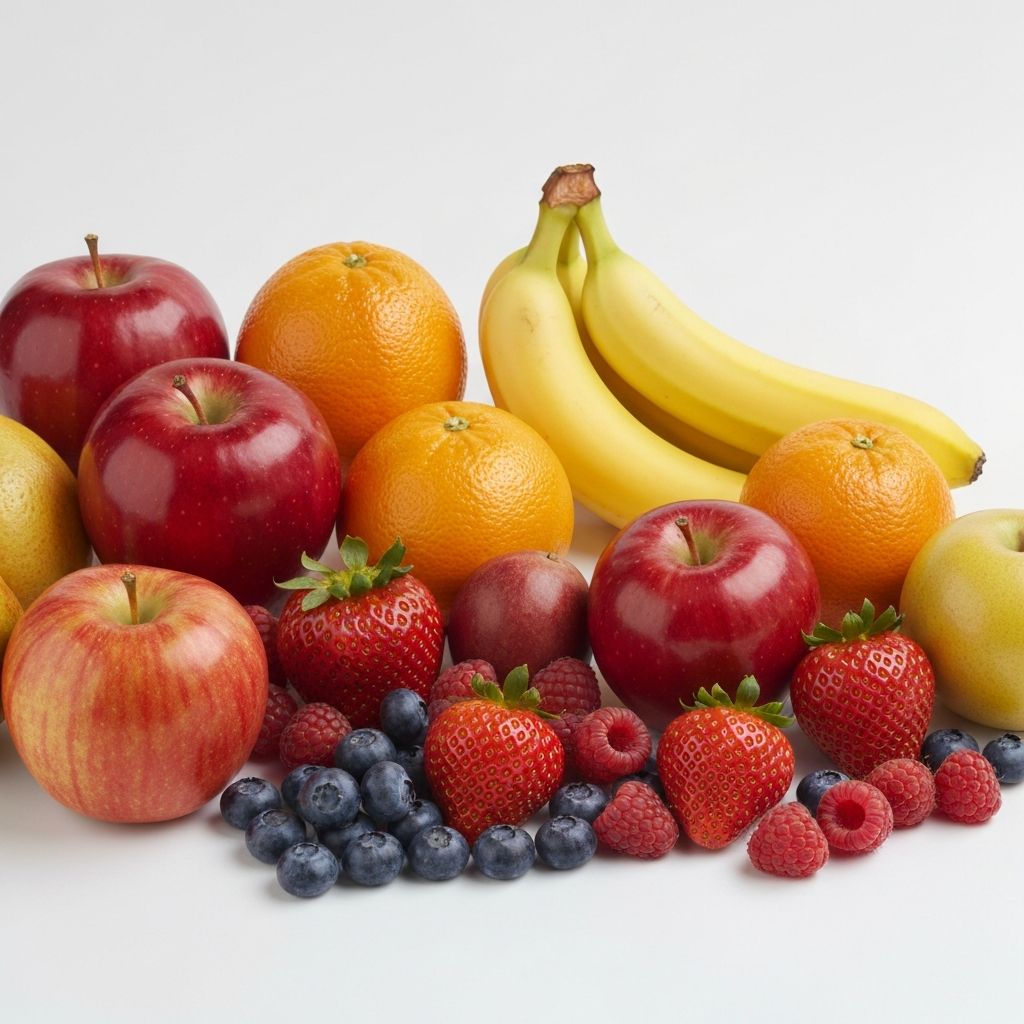
Fruits include diverse varieties such as berries, citrus fruits, stone fruits, tropical fruits, and others. Common examples are apples, bananas, oranges, berries, and seasonal varieties.
People consume fruits fresh, dried, or incorporated into various dishes. Availability varies by season and geographic location.
Read More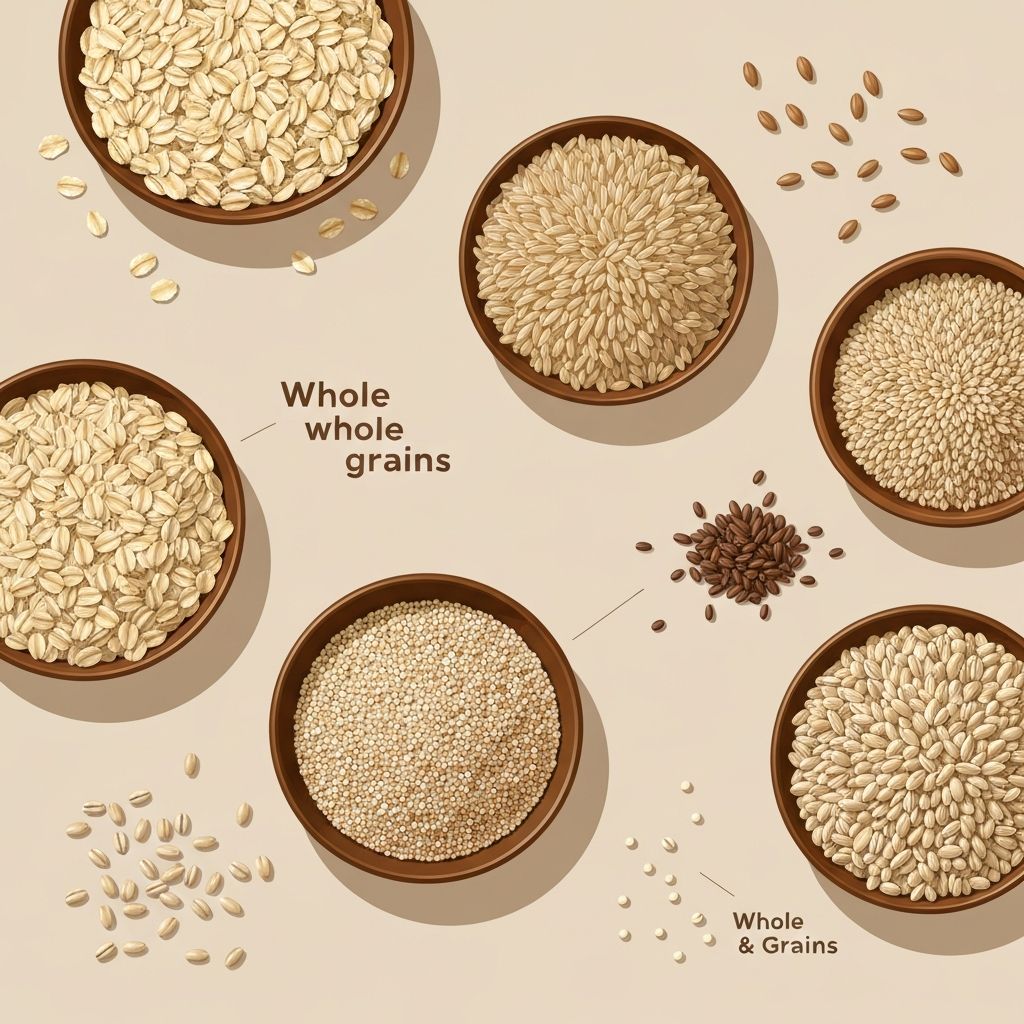
Whole grains include oats, brown rice, quinoa, barley, whole wheat, and other unrefined grain products. These foods maintain their original grain structure including bran, germ, and endosperm.
Different cuisines utilize whole grains in breads, porridges, side dishes, and main courses.
Read MoreEducational concepts about food combination patterns
Balanced meal concepts typically involve combining different food groups on a single plate. This might include a protein source, carbohydrate source, and vegetables in various proportions.
These combinations reflect cultural traditions, personal preferences, and practical considerations. No single formula applies universally to all individuals or situations.
Different dietary traditions worldwide demonstrate diverse approaches to meal composition, all functioning within their respective cultural contexts.

Understanding natural food components
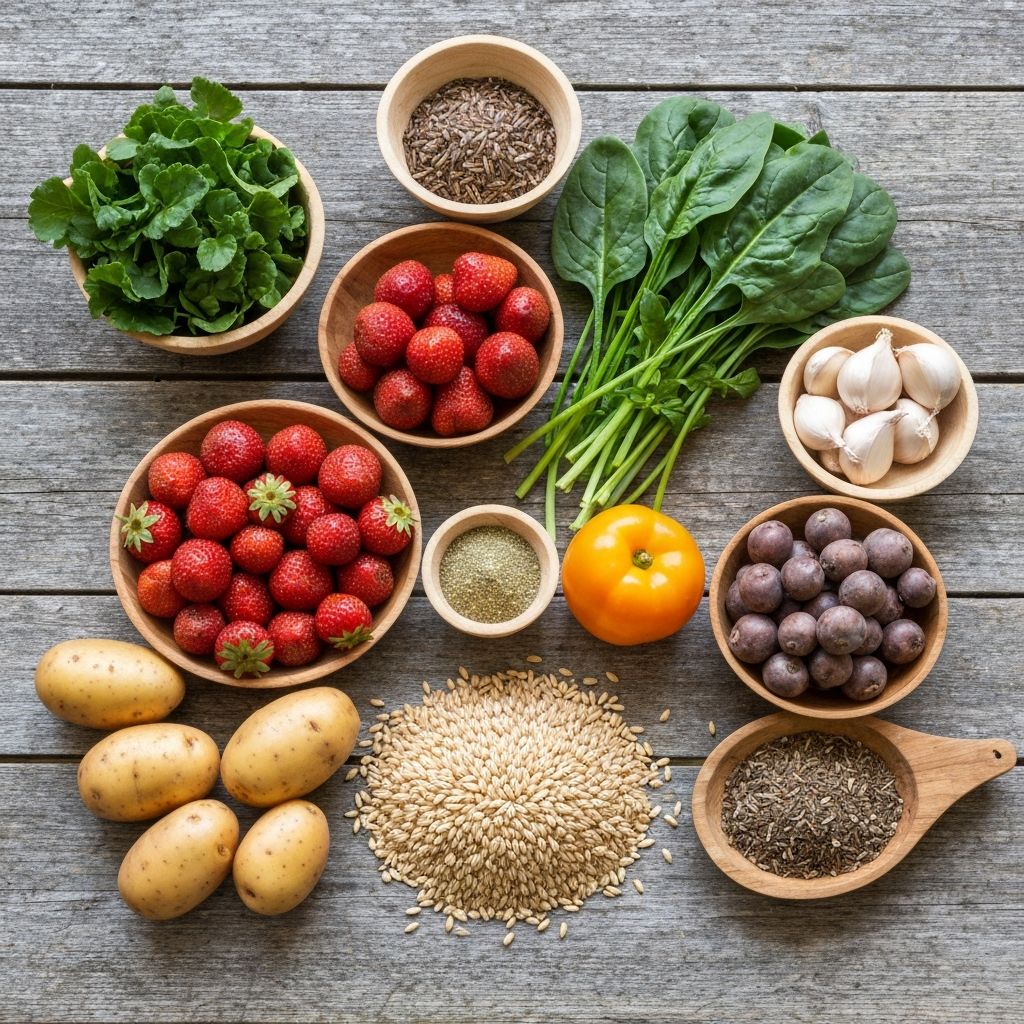
Natural ingredients refer to foods in their minimally processed forms, such as fresh produce, whole grains, unprocessed meats, and basic dairy products. These contrast with heavily processed convenience foods.
Reading ingredient labels helps identify the components in packaged foods. Shorter ingredient lists typically indicate less processing, though this varies by product type.
Different individuals prioritize ingredient awareness to varying degrees based on personal interests, values, and practical considerations in their daily lives.
Contextual elements affecting food patterns
Workplace settings influence eating opportunities and constraints. Office environments might provide cafeterias, break rooms, or require individuals to bring food from home.
Physical labor jobs, desk jobs, and flexible work arrangements each present different contexts for meal timing and food accessibility.
Activity levels vary significantly among individuals based on occupation, hobbies, and personal choices. Some people engage in regular exercise, others maintain active lifestyles through daily activities, while others have more sedentary routines.
These activity patterns exist independently of specific food intake patterns, with considerable variation across populations.
Sleep schedules affect meal timing and food-related behaviors. People working night shifts, those with irregular schedules, and those maintaining consistent routines all navigate eating patterns differently.
The relationship between sleep and eating patterns varies individually without universal rules.
Social gatherings, family meals, business dinners, and solitary dining all represent different eating contexts. Cultural norms and personal relationships shape these situations in diverse ways.
Food plays various social roles across different cultures and individual circumstances.
Educational information about fluid intake
Hydration refers to fluid intake throughout the day. Water represents the most common beverage for this purpose, though people also consume tea, coffee, juice, and other liquids.
Individual fluid intake varies based on climate, activity levels, personal preferences, and other contextual factors. Some people prefer frequent small amounts while others drink larger quantities less often.
Thirst sensations typically guide fluid intake naturally, though patterns differ among individuals. No single hydration pattern applies universally across all populations and situations.
Cultural traditions influence beverage preferences and consumption patterns, with significant variation across geographic regions and social groups.
Food traditions across different populations
Food traditions vary enormously across cultures, regions, and family backgrounds. Mediterranean, Asian, Nordic, American, and countless other culinary traditions each approach food differently.
These traditions reflect historical availability of ingredients, climate conditions, religious practices, and evolving social customs. No single tradition is universal or superior to others.
Modern urban environments often expose individuals to diverse culinary traditions, allowing people to experience and incorporate elements from various food cultures into their personal eating patterns.
Understanding this diversity helps contextualize why different populations approach food and nutrition from varied perspectives, all valid within their respective contexts.
Common informational questions
Balanced eating is a general concept referring to incorporating variety from different food groups. This concept varies across cultures and individuals without a single universal definition.
Food patterns change throughout life stages based on activity levels, social circumstances, and personal preferences. These changes occur naturally and differ considerably among individuals.
Culture significantly influences food preferences, meal timing, preparation methods, and social eating contexts. Different cultural backgrounds produce diverse eating patterns, all functioning within their respective contexts.
Modern lifestyles present various time constraints, convenience options, and food availability that shape individual choices. Urban environments typically offer diverse food access compared to rural settings.
Food provides energy measured in calories that bodies use for various functions. Energy needs vary based on body size, activity levels, and individual metabolism, with considerable variation among people.
This resource provides educational information only. Content describes general concepts and examples without offering individual recommendations. Nutrition science recognizes diversity in how different people approach food within various cultural and lifestyle contexts.
Individuals make personal food decisions based on their unique circumstances, preferences, values, and consultations with appropriate professionals when desired. This informational content does not replace personalized guidance or individual decision-making.
For specific situations or concerns, individuals should consult qualified professionals in relevant fields.